David Howlett is a first year Teacher Candidate at the University of Ottawa.
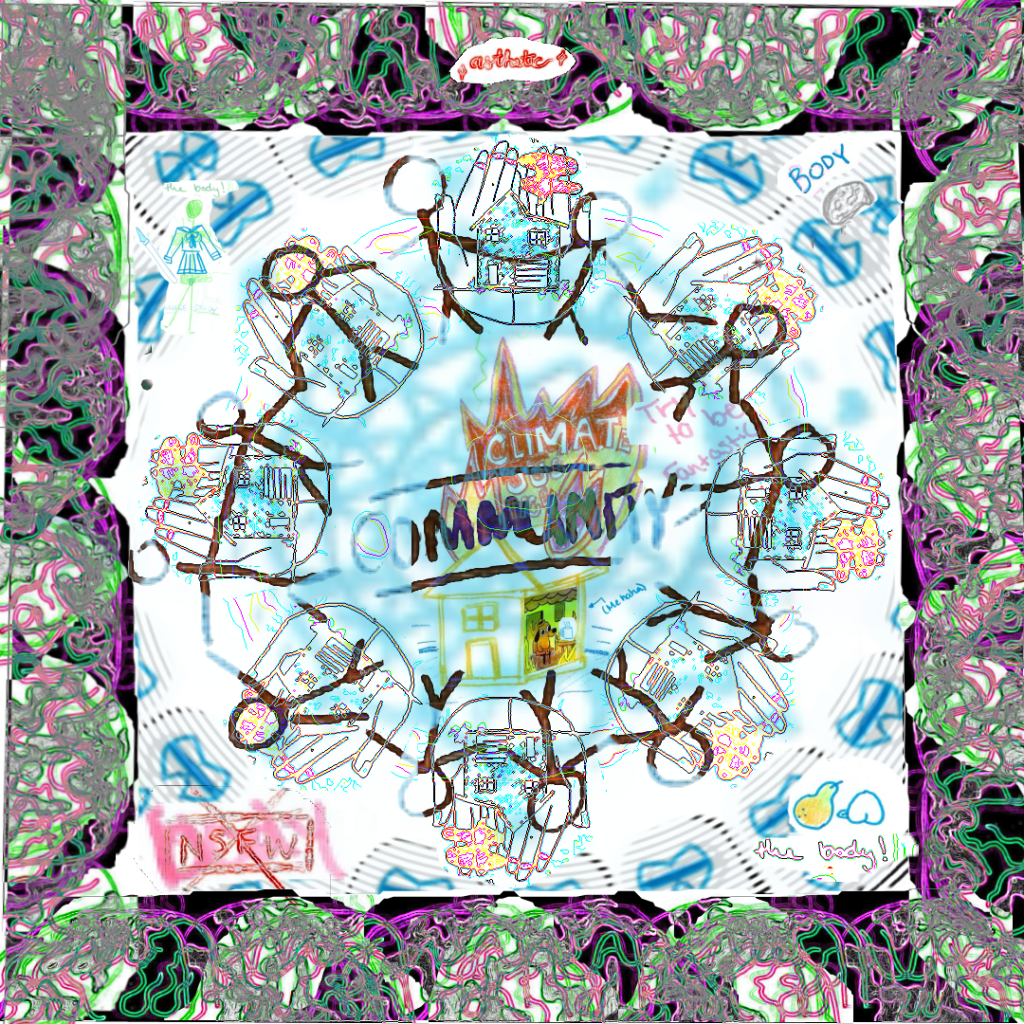
Philosophy of Education
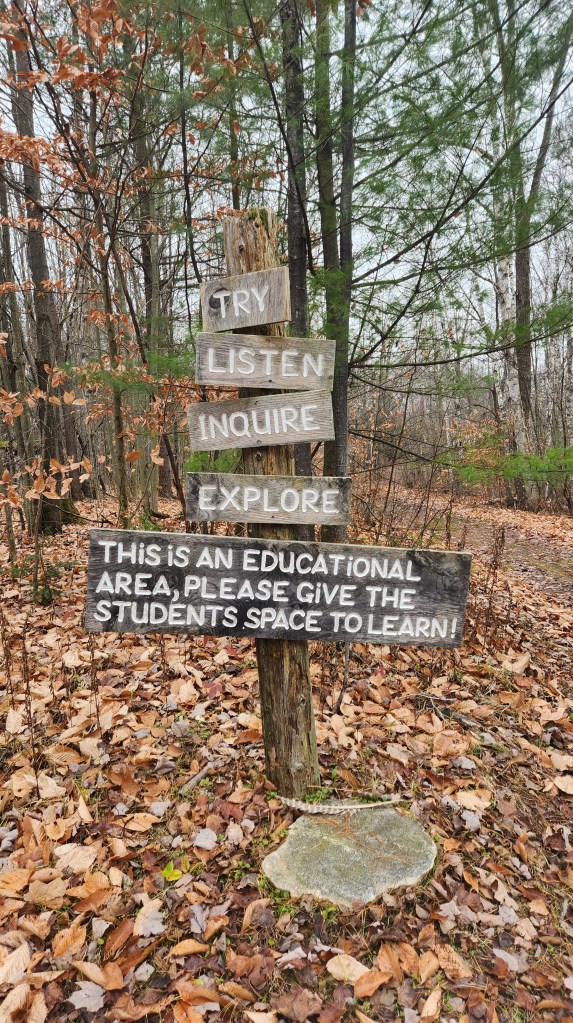
The years spent in school are such a significant and formative time in one’s life. The 15,000 + hours spent in school occur during stages of life in which the brain is growing and developing, social skills are being learned, interests are being discovered, and a worldview is taking shape. Throughout these thousands of hours, I believe that students should be guided by their curiosity. I truly value curiosity as one of the most important qualities in a person; if you stay curious, you will always find new paths in life, you will always engage others with empathy, and you will always keep expanding your understanding and appreciation of how magical it is to be alive and conscious in a beautiful and diverse world. To foster this curiosity, at least some of those 15,000 hours in school need to be positive and engaging.
People’s experiences of schooling will always be vastly different. My goal as a teacher will be to help all of my students benefit from the hours spent with me, regardless of where they are in their schooling journey and how their experience is going. Some may need lots of support to feel capable of getting by, while others will need extra challenges to stay engaged and interested. If all kinds of learners feel like they are set up to succeed; if they feel safe and supported; if they feel material is interesting and relevant, then and only then can curiosity guide them. If they can learn to be curious as youth, then hopefully that curiosity can carry them through a fulfilling adult life.
As a curious adult myself, I am excited to witness the creative, clever, humourous, and thoughtful things my students will say, write, create, and do. I believe teachers engage with their students best when they enjoy time spent together in class, and take real interest in what students are bringing to the table. It is not our job to sit back and evaluate students’ knowledge and skills from afar, but to engage with and celebrate students’ unique ideas, perspectives, talents, and creativity. If my classroom can be a place where students feel safe, supported, and seen, and as a result know they can be curious and find success, then I will have accomplished my teaching goals.
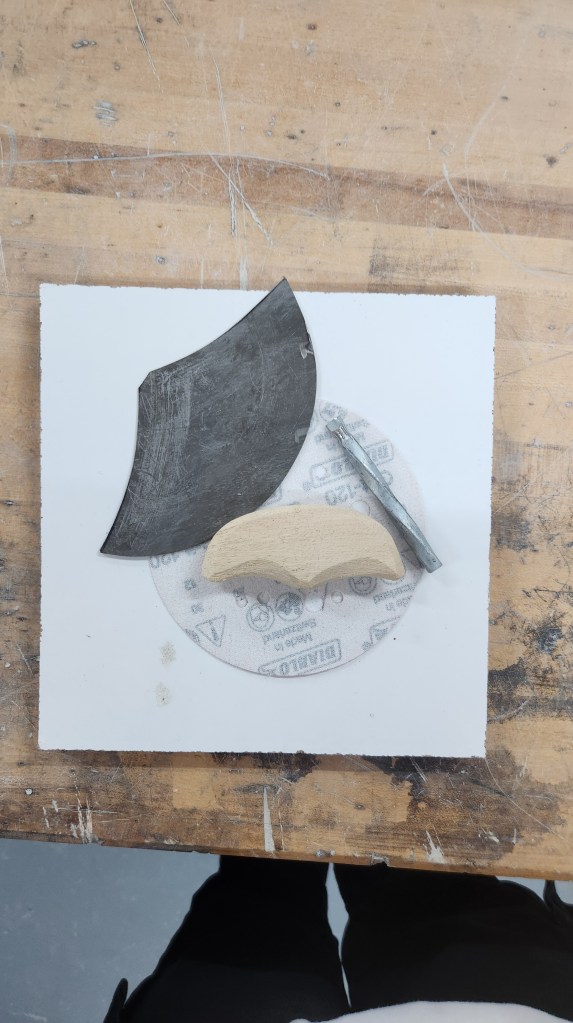


Lesson Plan – Intro to Photopea
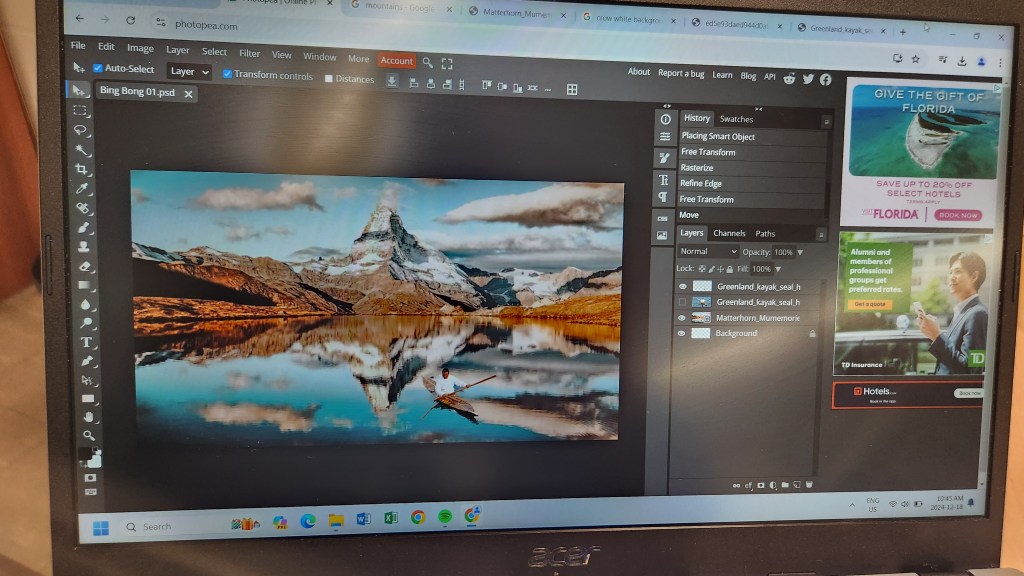
| Today I will: Explore the variety/diversity of 2D media which can be produced with image editing software Investigate tools, technologies, and techniques of digital media production Learn basic image editing skills using Photopea Think about ways I can apply my own interests and research to digital media production | I can: Effectively use online resources to research media production tools, their safety, and how to use them Identify tools and techniques used in image editing Make connections between my own interests and visual media Reflect on how technologies influence the final form of media artworks | Hook: 5 min Episode of You Suck At Photoshop https://www.youtube.com/watch?v=x-8hQh6hdnI&list=PLD19BCF9D57320E03&index=5 Engaging examples of digital art and media Development: Introduction to Photopea Overview of most common/useful tools, what they are used for, and how to use them Practice using Photopea by adding a hammock to a beach scene (or other simple project of students’ choice) Closure: Class reconvenes and discusses what they have learned, and what possibilities there may be to begin new projects of their own |
Moon of the Crusted Snow by Richard Wagamese
Book Review/Project Plan – David Howlett
Foreboding is the perfect word to encapsulate this novel. The cold tension and burning sense of unease is established from before the book is opened, and continues to slowly build throughout, even lingering long after the story is finished. The chilling tone carries through plot, dialogue, imagery, metaphor, and real world connections; serving to grip the reader tightly as they wait for the other shoe to drop.
Set on a remote reserve in Northern Ontario, Moon of the Crusted Snow imaginatively explores the fallout of an unidentified collapse of societal infrastructure and resulting struggle for survival as the community comes to grips with the challenges of a harsh winter. Very grounded in the reality of colonial violence, it acknowledges the real-life apocalypse Indigenous people have survived, while simultaneously celebrating that resilience and speculating on how Anishinaabe ways of knowing could help a community live through a future “apocalypse”. The appearance of white outsiders part way through the book, and the resulting entitlement, violence, and discord, draw subtle but clear narrative parallels to the larger colonial context, past and present.
Wagamese uses uncertainty and a lack of specificity in very intentional ways, never identifying what has caused the collapse, and often letting the reader fill in the blanks of plot details. This heightens our anxiety as readers, playing on the tried and true device of a monster we can’t see being scarier than one we can. The ending is also carefully vague, providing just enough resolution to feel complete while still forcing a reader to continue wondering what exactly has happened, and thereby extend their thinking outside of the pages and into the real world. The lingering questions provide great setup for the sequel, which I am now eager to read.
We are currently reading Moon of the Crusted Snow in the English class I am helping to teach for my practicum placement, and I have developed a mini-unit plan to go along with it. Playing with the idea of “judging a book by its cover”, I led a discussion on the design of the cover for Moon of the Crusted Snow. We talked about what we noticed about the design, what we think went into the choices made, what clues we are being given about the plot, what symbolism is present, and our subjective takes on the effectiveness of the design. This led into some examples of other classic or effective book cover designs, and I showed a cover I’d designed just for fun, for the book Dune.
I explained that I would be getting them each to design a new cover for Moon of the Crusted Snow, based solely on their first impressions of the book (they have read four chapters, plus the back of the book, so they have some idea of the story but not a complete picture). Once they have finished the book, they will design a back cover, including writing a plot teaser and personalized review blurbs. At that point, we will also revisit their first-impression covers to talk about what they see in a new light, what they correctly predicted, and what they would change.
So far, we have talked about visual symbolism and foreshadowing, using other book covers as examples and starting points for this conversation. I have guided students through a visual analysis and critique exercise using these book covers, and I can see them applying the concepts we talked about in their ideas and rough sketches for their own book covers.
Throughout this multi-lesson project, I am leading workshops on Photopea, a free open-source image editor akin to Photoshop. They will use Photopea to create their front and back covers (plus a spine and dust jacket interior flaps if they are especially on the ball and need more to do). My AT has also talked about plans for more multimedia creative projects further down the line, including possibly collaborating on filming a trailer for an imagined film adaptation of the book.
 David Howlett